Get Disability Shower Installation
Disability shower installation services help property owners upgrade or modify showers to improve safety, accessibility, and comfort for individuals with mobility challenges.
If you are considering installing a disability shower, you are in the right place to explore your options. Many property owners in the area look into this type of project to improve accessibility, enhance safety, or accommodate changing needs within their homes or facilities. Planning such updates requires careful thought about design, functionality, and compliance with standards, making it helpful to compare services offered by local contractors experienced in accessible bathroom modifications.
Continuing to browse can connect you with qualified service providers who specialize in disability shower installations. These local contractors can assist with planning and executing your project, ensuring the work meets your specific requirements. By exploring your options, you can find the right team to help implement practical solutions that support safety and convenience in your property.
- Disability Shower Installation - needed when a person requires a barrier-free shower to improve accessibility.
- Accessible Bathroom Renovation - necessary for creating a safe and functional shower space for individuals with mobility challenges.
- Walk-in Shower Setup - suitable when a client needs a shower that allows easy entry and exit for enhanced independence.
- Barrier-Free Shower Conversion - sought after when replacing a traditional shower with an accessible, wheelchair-friendly design.
- Adaptive Shower Modifications - required for customizing existing showers to meet specific accessibility needs.
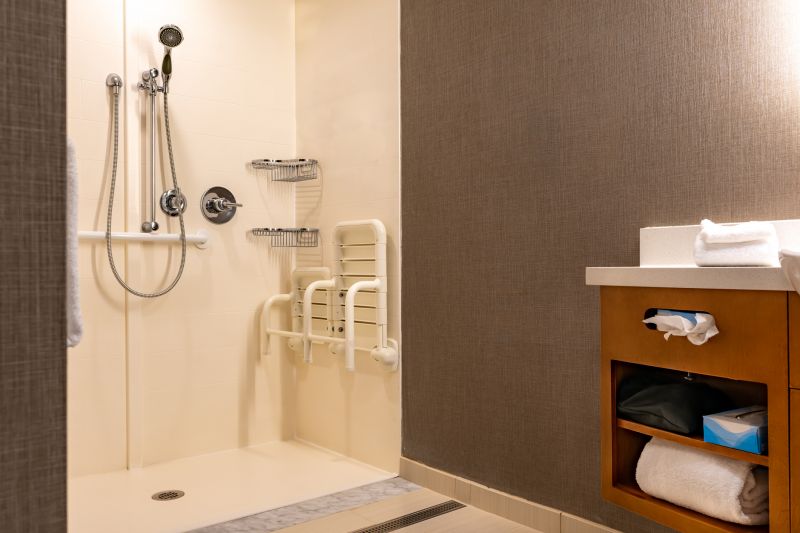
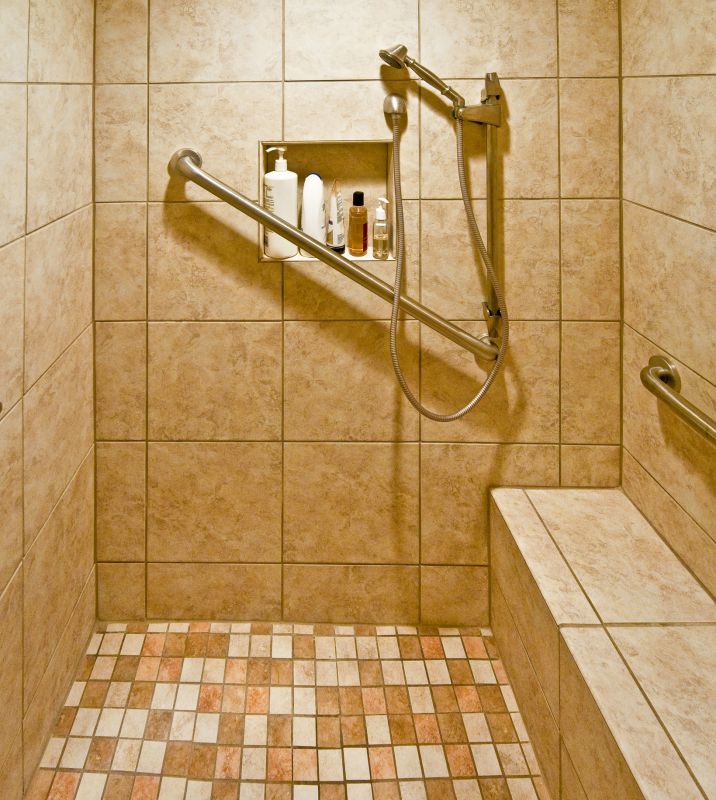
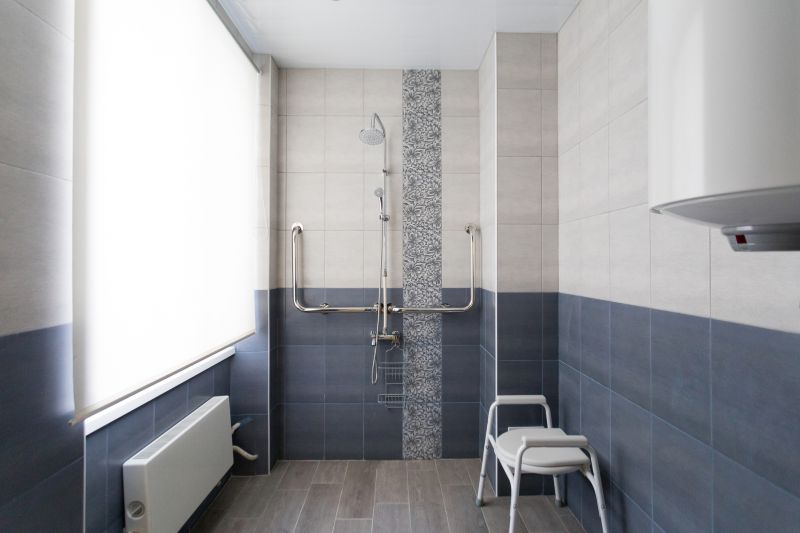
Disability shower installation services involve modifying or installing showers to improve safety, accessibility, and ease of use for individuals with mobility challenges. These services typically include installing walk-in showers, low-threshold entrances, grab bars, and non-slip flooring to create a more functional bathing space. The goal is to make showering safer and more comfortable for those who may have difficulty stepping over high tub sides or maneuvering in standard showers. Experienced contractors work with homeowners to design solutions that meet specific needs, ensuring the bathroom becomes a more accessible environment.
This service helps address common problems faced by individuals with limited mobility, such as difficulty stepping into a traditional bathtub or shower, risk of slips and falls, and the need for additional support while bathing. Installing features like wider entryways, seating options, and safety bars can significantly reduce hazards and promote independence. Disability shower installation also benefits caregivers by making daily routines safer and easier to manage. For many homeowners, these upgrades can transform a challenging space into a safer, more manageable area that accommodates changing needs over time.
Properties that typically utilize disability shower installation services include single-family homes, senior living residences, and assisted living facilities. These installations are especially common in bathrooms that need to be adapted for aging-in-place or for residents with disabilities. In addition, multi-family housing units and rental properties may also be upgraded to meet accessibility standards, providing safer bathing options for tenants with mobility concerns. Contractors often work within existing bathrooms, making modifications that blend seamlessly with the current layout while enhancing safety and accessibility.
Homeowners who are considering disability shower installation usually do so because of specific mobility challenges, aging in place, or the desire to improve safety in their bathrooms. This service is ideal for those who want to prevent falls, reduce the risk of injury, or simply make bathing easier and more comfortable. Whether for personal use or to accommodate a family member’s needs, local contractors can provide tailored solutions that improve the usability of existing bathrooms. Contacting experienced service providers can help identify the best options for creating a safer bathing environment suited to individual requirements.
The overview below groups typical Disability Shower Installation projects into broad ranges so you can see how smaller, mid-sized, and larger jobs often compare in your area.
In many markets, a large share of routine jobs stays in the lower and middle ranges, while only a smaller percentage of projects moves into the highest bands when the work is more complex or site conditions are harder than average.
Smaller Repairs - Minor modifications or repairs to existing shower setups typically cost between $250 and $600. Many routine jobs fall within this range, depending on the scope of work and materials needed. Fewer projects reach the higher end of this band.
Full Shower Replacement - Replacing an entire shower enclosure or stall generally ranges from $1,200 to $3,500. Local contractors often handle these projects within this typical range, with larger, more complex installations sometimes exceeding $4,000.
Custom or Accessible Installations - Installing custom features or accessible designs can cost between $3,000 and $7,000. These projects tend to be less common and may push into higher price tiers based on specifications and accessibility requirements.
Additional Features - Adding features like grab bars, specialized seating, or non-slip flooring can add $200 to $800 to the overall cost. Many local pros include these upgrades as part of larger projects, but standalone enhancements are usually at the lower end of the range.
Actual totals will depend on details like access to the work area, the scope of the project, and the materials selected, so use these as general starting points rather than exact figures.
Bathroom Renovations - local contractors skilled in accessible design can modify bathrooms to include features like walk-in showers and grab bars for improved accessibility.
Wheelchair-Accessible Flooring - professionals experienced in installing smooth and slip-resistant flooring surfaces to ensure safe movement within wet areas.
Home Modifications for Accessibility - service providers can adapt various areas of a home to accommodate mobility needs, including door widening and threshold ramps.
Grab Bar and Assistive Device Installation - local pros can securely install support fixtures in showers and bathrooms to enhance safety for users with disabilities.
Plumbing and Drainage Upgrades - specialists capable of adjusting plumbing systems to support accessible shower designs and ensure proper water flow.
Building Code Compliance Consulting - experts who can help plan and execute modifications that meet accessibility standards and local regulations.
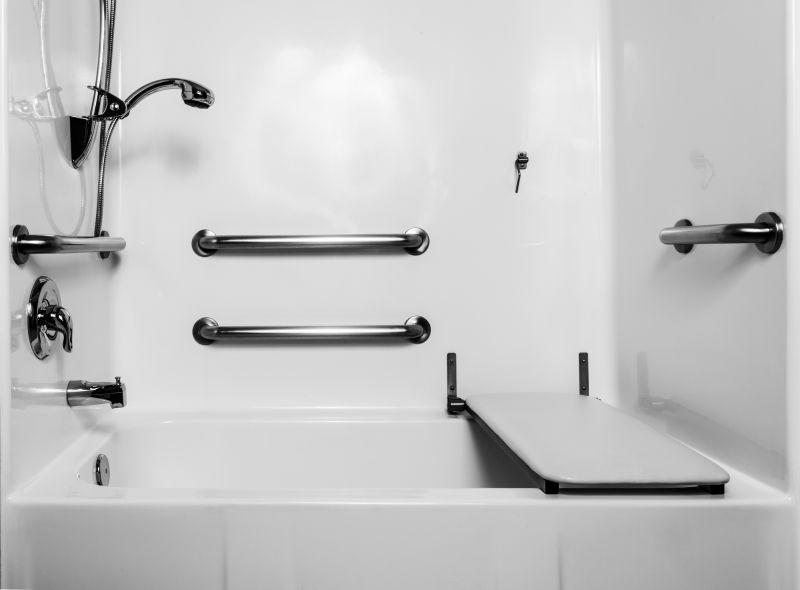
When evaluating service providers for disability shower installation, it’s important to consider their experience with similar projects. Homeowners should look for local contractors who have a proven track record of completing shower modifications or installations that meet specific accessibility needs. Asking about past work can provide insight into their familiarity with the unique requirements of disability-friendly bathroom upgrades, ensuring that the chosen professional has the relevant expertise to handle the job effectively.
Clear written expectations are a key component of a successful project. Homeowners are encouraged to communicate their specific needs and preferences upfront, and to seek detailed proposals or written estimates from potential service providers. This helps to establish a mutual understanding of the scope of work, materials, and any other important considerations. Having this information in writing can prevent misunderstandings and serve as a reference throughout the project, contributing to a smoother process.
Reputable references and good communication are essential when selecting local contractors. Homeowners should inquire about references from previous clients who had similar work done and verify the quality of service provided. Additionally, choosing service providers who are responsive and transparent in their communication can foster a more positive working relationship. While the site introduces homeowners to local options, it’s important to remember that the actual work will be handled by the selected contractors, making thorough vetting a vital step in the decision-making process.
Property owners use Disability Shower Installation services for practical projects around their homes and businesses. This guide focuses on everyday jobs and straightforward project options.
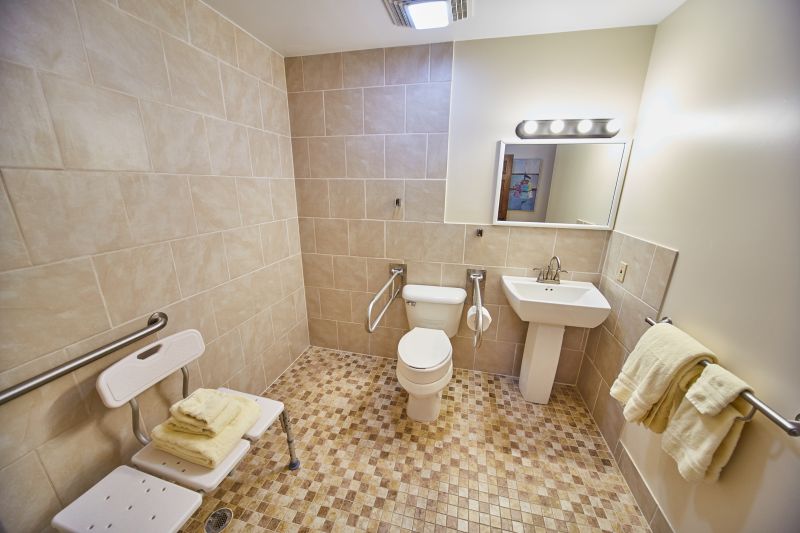
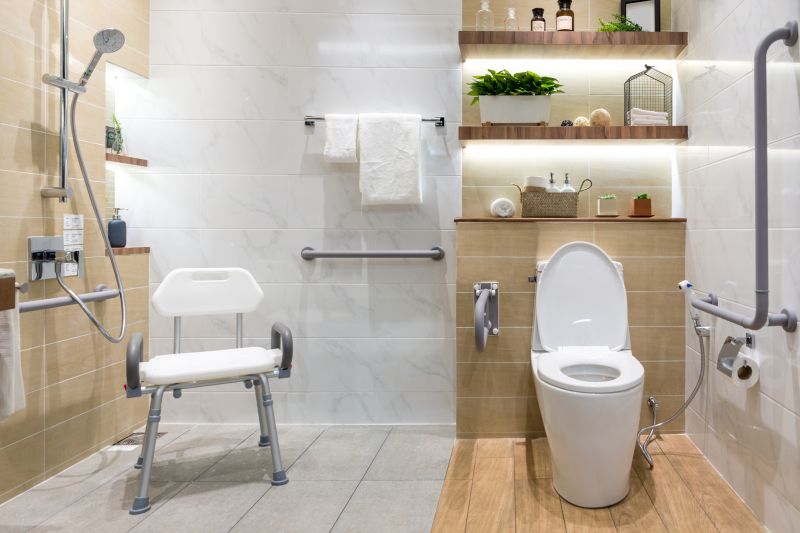
Disability shower installation services are often needed when property owners want to improve bathroom accessibility for individuals with mobility challenges. Common situations include replacing a standard shower with a walk-in or low-threshold option, or installing grab bars and other features to make daily routines safer and more manageable. Local contractors can assist with these modifications, ensuring that the bathroom setup meets the specific needs of residents and provides a more comfortable, functional space.
Homeowners may seek disability shower installation services after experiencing changes in mobility or as part of ongoing efforts to make their homes safer. Whether upgrading an existing shower or creating a completely accessible bathing area, property owners often look for experienced local service providers who understand accessibility requirements and can handle the installation efficiently. Connecting with local professionals can help ensure the work is completed to suit individual needs and preferences.
What types of disability shower installations do local contractors offer? Local service providers can install various accessible shower options, including roll-in showers, walk-in showers, and low-threshold designs to accommodate different mobility needs.
How can a disability shower installation improve bathroom safety? Professional installers can add features such as grab bars, non-slip flooring, and seating areas to enhance safety and reduce the risk of slips and falls during showering.
Are there specific design considerations for disability-friendly showers? Yes, local contractors consider factors like accessible entry points, appropriate height fixtures, and space for mobility aids to ensure the shower is functional and comfortable.
What materials are commonly used in disability shower installations? Durable, water-resistant materials such as slip-resistant tiles, acrylic panels, and corrosion-resistant fixtures are typically used to ensure longevity and safety.
How do local service providers ensure a proper disability shower installation? They follow industry best practices by assessing the space, planning for accessibility features, and installing according to safety standards to meet individual needs.
Accessible Shower Installations - Property owners can upgrade existing bathrooms with accessible showers to improve safety and convenience for daily use.
Customized Shower Designs - Homeowners may choose to create tailored shower spaces that meet specific mobility needs or personal preferences.
Barrier-Free Shower Solutions - Installing barrier-free showers can make entry and exit easier for individuals with limited mobility or wheelchair use.
Safety-Enhanced Shower Features - Adding features like grab bars and non-slip surfaces can help create a safer shower environment for all users.
If you are thinking about Disability Shower Installation for a property, this guide is meant to help you understand the work, the typical project types, and how different options might fit your plans.
When you are ready, you can use the quote form on this page to share a few details about your project. From there, local pros can review the basics and respond with options that match what you have in mind.